The residency curriculum is a 2-year, dynamic curriculum that covers many aspects of obstetrics and gynecology, in addition to how to be a physician in the 21st Century. It covers the humanistic side of medicine, the practical side of medicine, and the business side of medicine. We deliver our education using active learning techniques. Our curriculum covers Obstetrics, Benign Gynecology, Gynecologic Oncology, Maternal-Fetal Medicine, and some general Medicine. We cover other sub-specialty topics, including Minimally Invasive Surgery, Reproductive Endocrinology, and Infertility, Urogynecology & Reconstructive Pelvic Surgery, Complex Family Planning, Ultrasound, and Pediatric and Adolescent Gynecology.
Protected Educational and Personal Time
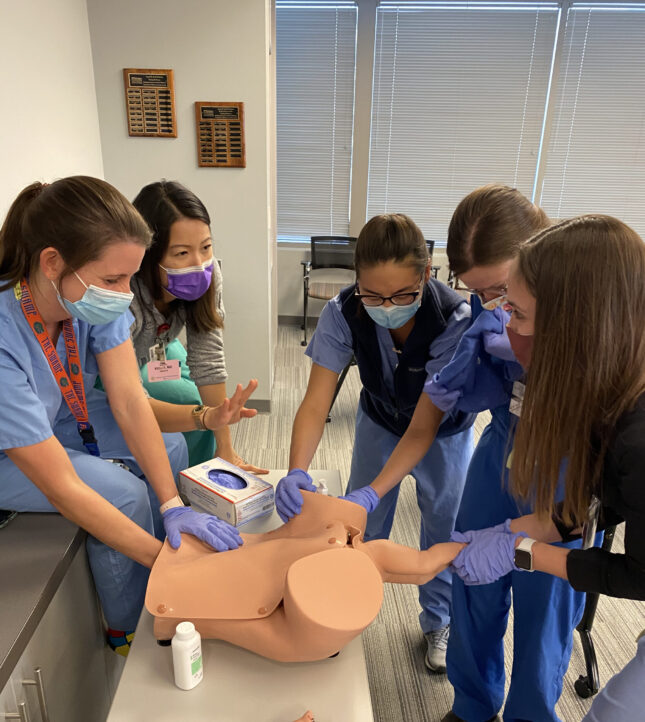
We have protected education time from 9:00 am –12:00 am every Wednesday morning after our Department Grand Rounds.
Wellness Wednesdays occur 4-5 times per year on the 5th Wednesday of the month during this didactics time, allowing residents to schedule personal appointments and attend to other wellness needs.
Longitudinal Curriculum
This curriculum covers many aspects of medicine, including Journal Club, wellness/support, surgical skills, and medical education. We aim to develop you into the physician of tomorrow with didactics in professional development, practice management, the business of medicine, and patient safety and quality improvement.
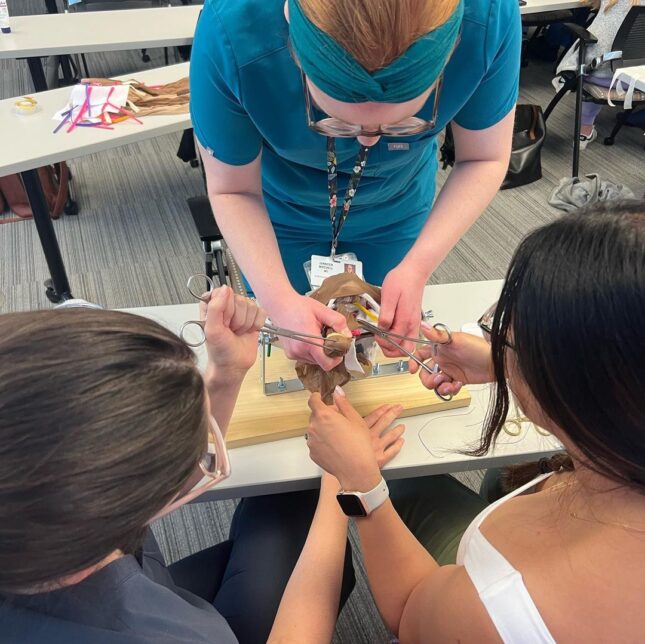
Our Surgical Skills Curriculum has both simulations and lectures, covering both gynecology and obstetrics. The curriculum ends with a fun Laparoscopic Olympics to assess your laparoscopic skillset in a fun, competitive atmosphere. This curriculum is multidisciplinary with many different attendings’ participating in these sessions. Residents will be prepped to pass EMIGS by the end of their second year.
Teaching and Mentoring
Our residents and faculty have a wide range of backgrounds and interests. We all, however, share an enthusiasm for teaching our skills to others. We expect all residents to contribute to the education of their fellow residents and medical students. To support that environment, our Resident Professional Development series addresses teaching, interactive presentations, how to help a struggling learner, and much more! We have one resident per year participate in the WashU Teaching Physician Pathway and have faculty inducted into the Academy of Educators.
We award one Outstanding Chief Resident Teacher annually with a monetary gift, and residents can recognize faculty and fellows at our June graduation banquet. A desire to contribute to the education experience is a prerequisite to an appointment as a resident.
Residents will be assigned to a mentor group upon joining the program. Each group consists of one resident per year of training, in addition to 2-3 faculty members. Mentor groups are encouraged to meet quarterly, engaging in activities including but not limited to escape rooms, candle making, group dinners, potlucks, and more.
Resident Committees
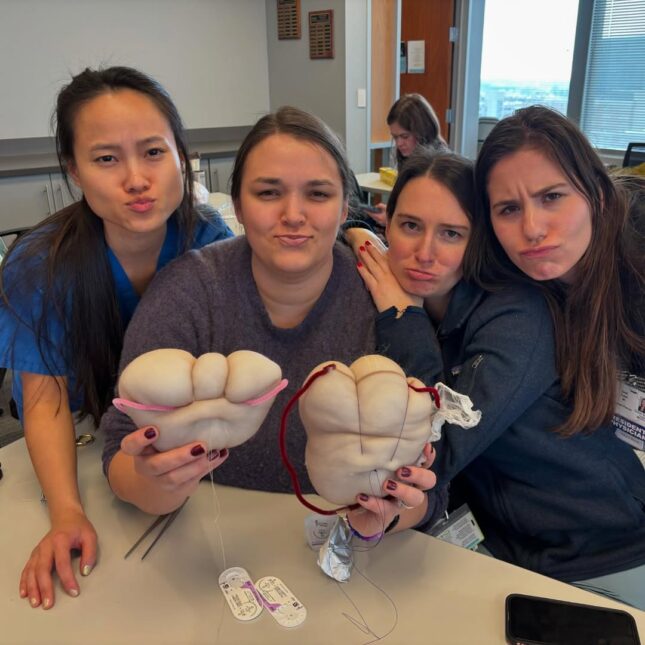
We strive for our residents to be actively involved in their educational experience; thus, we have the following committees, which provide avenues for residents to provide input on the learning environment:
Next: See the rotation schedule »
- Clinic Committee: Incorporates provider feedback and patient care updates into workflows within our resident continuity and subspecialty clinics; addresses disparities and overcomes barriers to care with our patient population to provide high-quality evidence-based care
- Education Committee: Improves curriculum and facilitates organized learning across all rotations
- Wellness Committee: Fosters strong relationships within our residency program; improves physical and emotional wellness through fun group activities; brings awareness to and celebrates the critical importance of resident wellness
- Resident Climate and Culture Committee: Fosters a supportive and socially aware environment within the residency. The resident-led committee promotes education, community outreach & activities, and well-being through events such as Informative Grand Rounds, annual book clubs, trainings on trauma-informed care, and building awareness of bias and equity in healthcare —reflecting its commitment to inclusive excellence and exceptional patient care.
- Application Committee: Participates in holistic review of residency applications; actively engages the residents throughout the application process
- Chief Administrative Residents (CARs) serve as elected leaders within the residency program, supporting educational initiatives and faculty development efforts. They are responsible for creating schedules, managing schedule conflicts/emergencies, and serving as a liaison between residents, faculty, program leadership, and other departments.
Board Preparation
Our residency program preps you for your written and oral boards throughout your training. We have opportunities for your board preparation with our Benign Gynecology Pathology and Indications Conferences on Green Team, labor board sign-out in the mornings and evenings, monthly M&M conferences, Gynecologic Oncology Tumor Board, and MIGS Conferences. We offer residency preparation materials, including CREOG tests for the chiefs, a TrueLearn subscription, Kahoot learning platform, and Prologue access. Lastly, former residents can have their Case Lists reviewed by our faculty and participate in Mock Oral Boards after graduation. We hope to integrate ABOG-like material throughout your 4 years in residency so that it becomes second nature to you!
Application process
Medical school graduates can enter the Obstetrics and Gynecology residency program immediately after graduation, applying through ResidencyCAS.